
How to Document Roof Damage Before a San Antonio Inspection
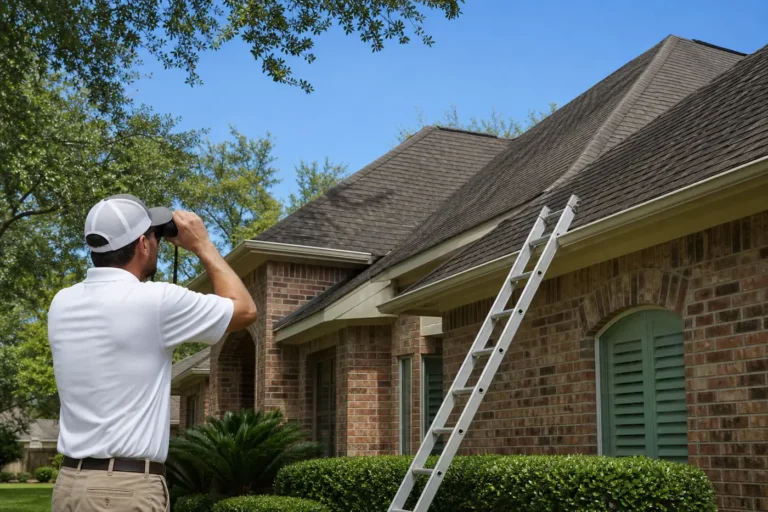
Before a contractor arrives, you can document roof damage without climbing. Dates, ground photos, and a short note about when water appeared give the inspector a starting point. They do not decide whether the roof should be replaced.
Best Roofers Network is not an adjuster and not a roofing contractor. When you want a person on site, use the San Antonio roofing directory.
Capture the timeline
Write the date you noticed the problem and, if you know it, the date of the storm. A stain that started last year is different from a stain that started yesterday.
Save texts or emails that mention the leak. You are building a record, not a legal filing. This article is not legal advice.
- Date the problem was first seen
- Weather that day, in your own words
- Rooms affected
- Whether water is still active
- Any temporary cover already placed
Ground photos that help
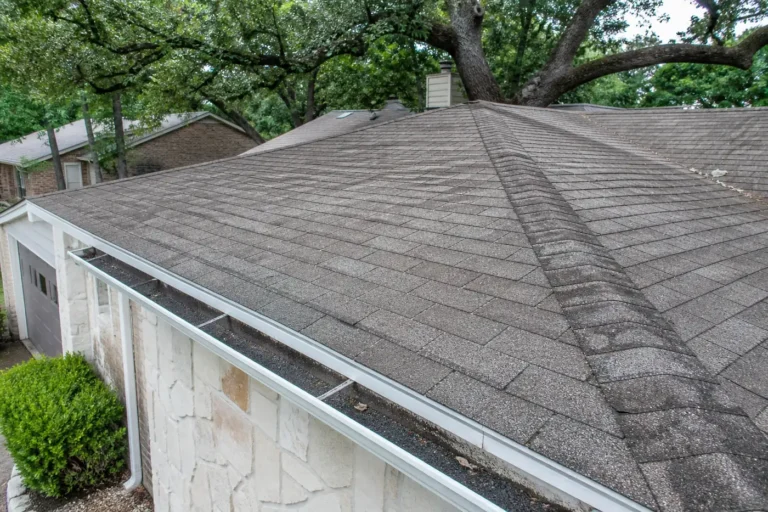
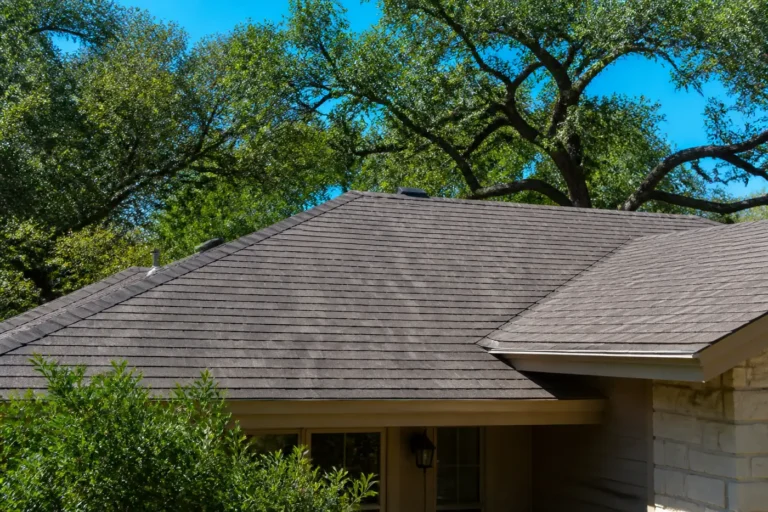
Stand back and show the whole slope. Then move closer to gutters, vents, and chimneys you can see without a roof walk. Bent metal and missing pieces are useful. Artistic angles are not.
Include a reference so the side of the house is obvious: the driveway, a tree, a window. Later, you and the contractor can agree which slope is in the frame.
| Photo | Why keep it |
|---|---|
| Whole slope from the yard | Shows location |
| Gutter or vent dents | Shows impact on soft metal |
| Debris on the roof you can see safely | Shows what fell, not a diagnosis |
| Ceiling stain with a date note | Shows interior timing |
| Any tarp already installed | Shows what was temporary |
Interior notes
Move what you can, catch active drips, and photograph the stain. The leak-sign guide lists interior clues. Do not open the ceiling to “find the leak.”
If the attic hatch is safe, one photo of wet insulation is enough. Do not step onto the ceiling drywall.
What not to throw away
Keep fallen shingle pieces you can collect from the ground. Keep the photos even if a contractor says they are unnecessary. You may want them when you compare two opinions.
After hail, the after-hail checklist is the longer storm list. This article is the general habit: date it, photograph it, and do not invent a cause.
Share the file, keep a copy
Send the photos to the contractor before the visit if you can. Keep your own copy. A text thread on someone else’s phone is not your record.
Ask the inspector to add their own photos and a written note of what they saw. Your file and their note should be stored together.
What the file cannot do
Photos do not prove a claim, a code issue, or a price. They help a qualified person look in the right place. Coverage decisions belong to the policy and the insurer.
- Make the folder before the appointment
- Label slopes in your own words
- Ask for the inspector’s notes in writing
- Compare those notes with the proposal
If you document roof damage this way, the first meeting can start with the evidence instead of a guess from the curb.
Name the files with the date and the side of the house. “North slope” and “kitchen ceiling” beat a camera roll of untitled pictures. Bring that folder on your phone and leave a copy in email to yourself.
If a neighbor, a property manager, or a family member will meet the contractor, send them the same folder. A visit that starts without the photos often restarts the story from scratch. You can add the inspector’s pictures to the folder the same day so the record stays in one place.
Do not mark up the roof with paint or tape. Do not pull back shingles to stage a photo. The inspector can document the surface during the appointment. Your job is the timeline and the safe pictures.
Frequently Asked Questions
Get Free Roofing Quotes
Fast response. No spam. 100% free.