
Emergency Roof Tarping in Dallas After Storm Damage
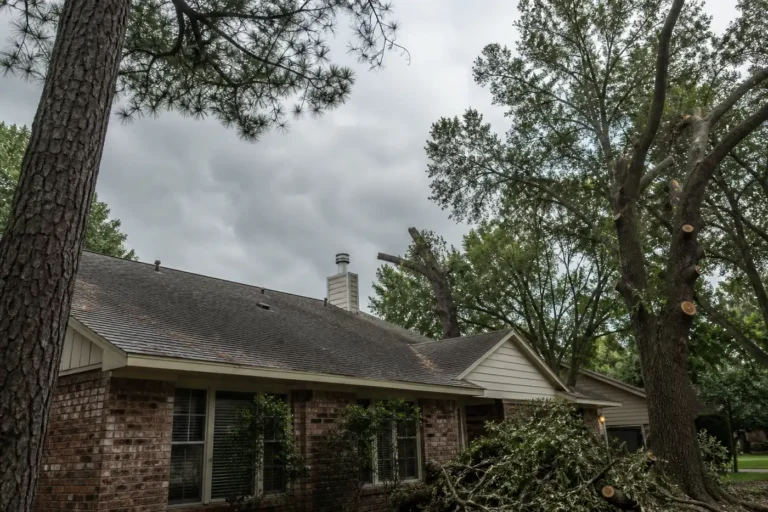
Emergency roof tarping Dallas is temporary protection after wind, hail, or a sudden puncture—not a finished repair. North Texas storms can strip tabs on one slope while the other looks fine from the curb.
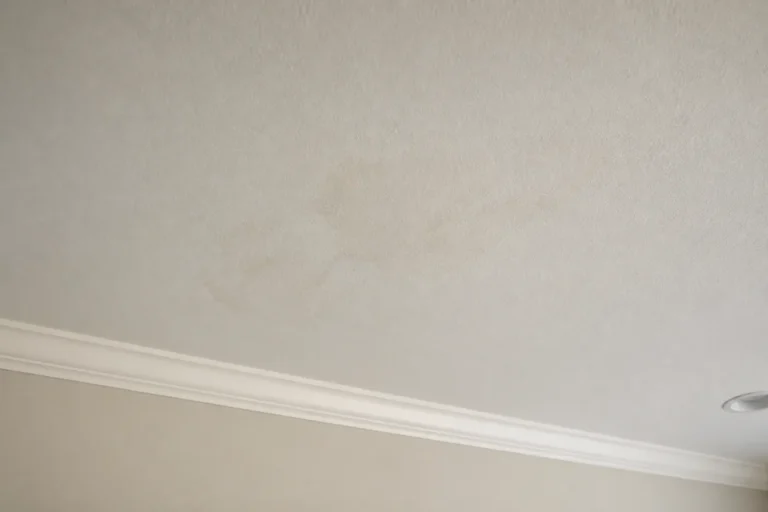
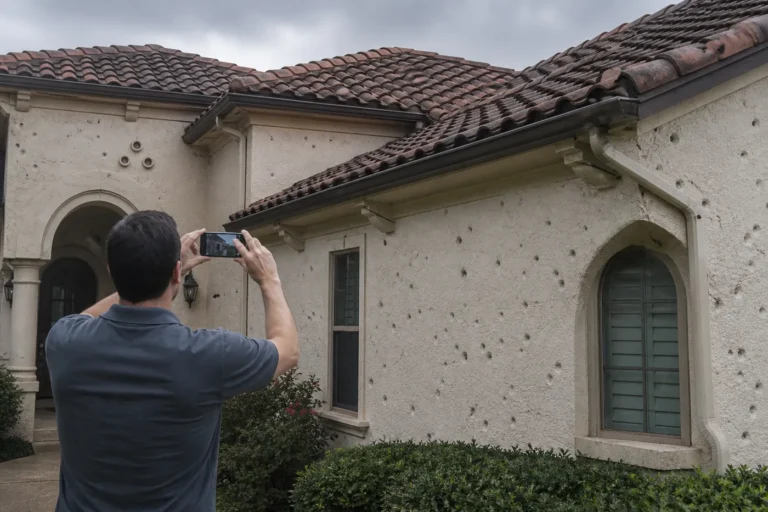
Stay off a wet or steep roof. Photograph what you can see from the ground, protect floors under active drips, then compare dry-in scopes on emergency roof repair in Dallas and storm damage in Dallas.
What temporary dry-in actually does
A tarp, felt, or board-up covers an open path so rain does not soak insulation and drywall while you wait for materials or a full crew. It buys days or weeks—not years. Fasteners, edges, and valleys still need a permanent detail later.
If water is already inside, dry-in and interior drying are separate conversations. Ask which line items are temporary versus permanent before you sign.
First hours after storm damage
Use this order when ceilings start to drip:
Dallas weather that drives emergency dry-in
Hail cells bruise shingles and crack pipe boots. Straight-line winds peel ridge caps. Summer heat then cooks damaged asphalt, so a May storm can become a July interior stain if the open path sits uncovered.
Neighborhoods like Oak Cliff, Lakewood, Richardson, Garland, and Irving often see slope-specific damage. One elevation can need dry-in while the lee side only needs inspection photos.
Tarp vs permanent repair on the invoice
| Line item | What to ask |
|---|---|
| Temporary dry-in | Materials, fastening method, and how long it is meant to last |
| Permanent repair | Shingles, flashing, or decking replaced on which slopes |
| Interior dry-out | Included, excluded, or referred to another trade |
| Revisit | Who removes the tarp and when the permanent crew starts |
Treat emergency dry-in as mitigation. Permanent scope should name slopes, materials, and flashings in writing—not a verbal ‘we’ll fix it all later.’
Safety limits for homeowners
Do not walk a wet or steep roof. Do not use plastic sheeting that can balloon and tear in wind. If power lines, second-story pitches, or soft decking are involved, wait for a crew with fall protection.
- Ground photos beat risky self-tarping.
- Active electrical hazards near wet ceilings need a licensed electrician.
- After dry-in, schedule inspection via storm damage in Dallas before you lock a full replacement.
- Read the educational hail damage roof repair guide for documentation habits—not as a price promise.
How to compare emergency quotes
Ask every company the same questions: arrival window, fastening method, which slopes get covered, and whether the temporary price is credited toward permanent work. Skip blank insurance authorizations and today-only pressure.
When you are ready for local matching, use the roofers in Dallas hub. Written scopes on your address beat ranked lists.
After the tarp is on
Check the interior after the next rain. Note new stains. Keep the dated photo folder. Decide repair versus replacement only after someone has seen the decking—not from the driveway alone.
- Confirm who owns removal of temporary materials.
- Ask for photos of fasteners and edges before the crew leaves.
- Separate storm documentation from permanent contract language.
- Do not assume cosmetic hail marks equal a full tear-off.
Local planning notes
DFW heat, alley access, and HOA rules change labor before anyone climbs. Mention gate codes, steep front pitches, and prior leak paths on the first call so every dry-in scope starts from the same facts.
Get Free Roofing Quotes
Fast response. No spam. 100% free.