After Hail Roof Checklist for Texas Homeowners
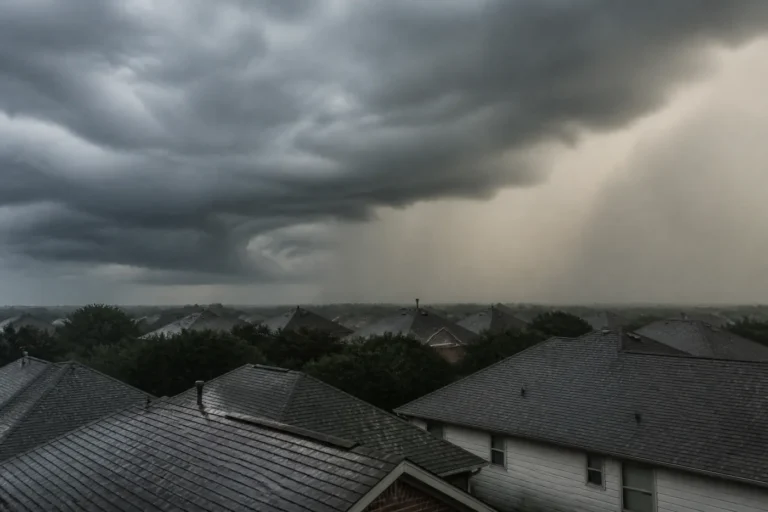
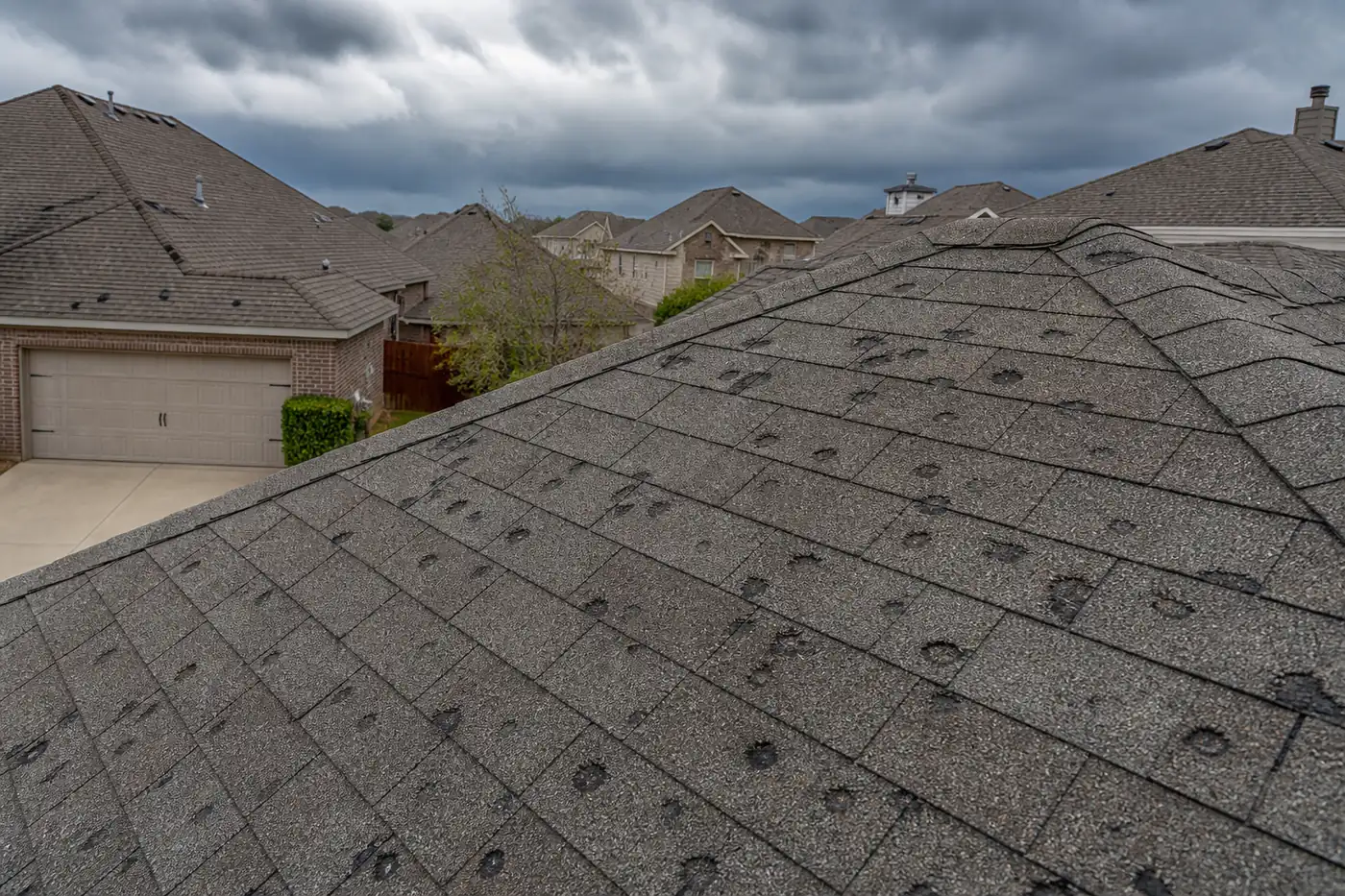
After hail roof checklist Texas habits work whether the cell hit Dallas, Austin, Houston, or San Antonio. Document from the ground first, then match a local crew on the right hub with the same dated photo folder. Keep storm date, time, and collateral dents in that folder for every quote. Functional creasing matters more than cosmetic bruising when you compare scopes.
Hubs: Dallas, Houston, Austin, San Antonio. Stay off a wet roof.
Universal steps after hail in Texas
- Write down storm date and time.
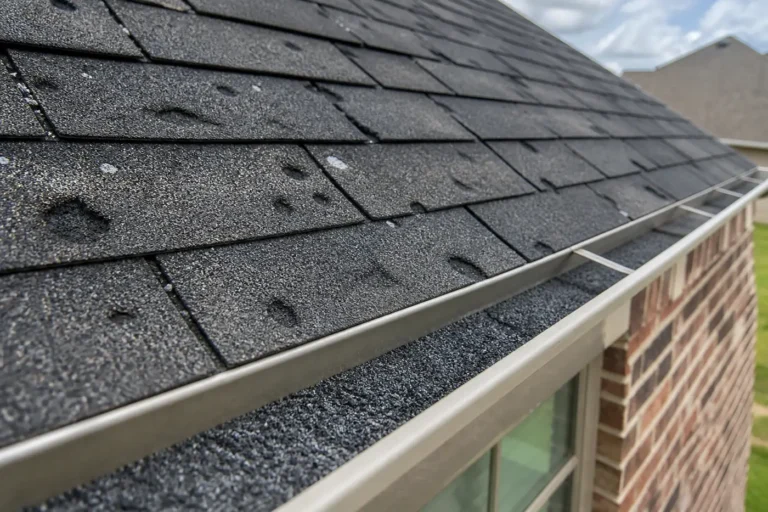
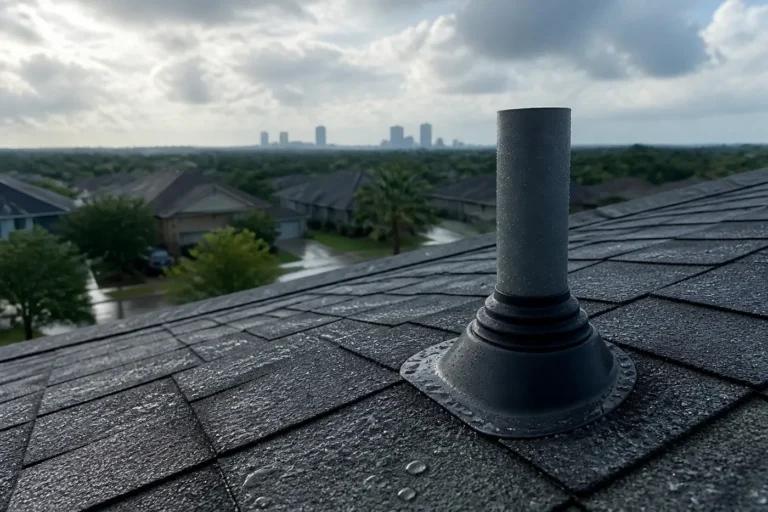
- Photograph slopes, gutters, vents, and collateral dents.
- Check attic for new moisture if safe.
- Emergency tarp active leaks only—permanent scope comes later.
- Pick your metro hub and request slope photos.
Metro follow-up links
Photo priorities
| Subject | Why it matters |
|---|---|
| Windward slope tabs | Functional creasing evidence |
| Soft metal dents | Hail size context |
| Interior stains dated to storm | Leak-path tracing |
| Prior repairs | Shows repeat failure zones |
Expert tips
- One photo folder travels with every quote.
- Insurance is educational only—we do not promise outcomes.
- Functional damage beats curb guesses.
The same habits apply in Dallas, Houston, Austin, and San Antonio: photograph before cleanup, decline blank paperwork, and compare slope photos from a local crew before you authorize tear-off.
Texas roof planning notes
Texas metros do not share one climate story. Dallas–Fort Worth hail bands, Houston Gulf humidity, Austin UV plus hail cells, and San Antonio heat with tile-heavy districts each change how damage shows up and how scopes should be written. Use this page as planning language, then open the city hub where the house actually sits.
Four live hubs to bookmark
- Roofers in Dallas — hail and IR product conversations
- Roofers in Houston — wind-driven rain and flashing
- Roofers in Austin — UV on sunward slopes
- Roofers in San Antonio — tile vs shingle and heat
Documentation every Texas homeowner can reuse
What we do not do on this page
This guide is educational. We do not guarantee dollar amounts, claim approvals, or a ranked contractor list. Compare local written scopes on the hub for your city.
Metro comparison (planning context)
| Metro | Common roof conversation |
|---|---|
| Dallas | Hail functional damage and IR shingle options |
| Houston | Wind-driven rain at flashings and emergency dry-in |
| Austin | UV curl on sun slopes and spring hail cells |
| San Antonio | Tile vs shingle and heat aging on west exposures |
Next steps after reading
- Pick the hub for the property city—not the closest office park.
- Build a dated photo folder before cleanup or paint.
- Request written scopes that reference those photos.
- Decline blank signatures and ranked list hype.
- Use free matching on the hub; compare three timelines when possible.
Seasonal reminders across Texas
Whether your question is statewide pricing or a related repair topic, the workflow is the same: document, inspect, compare scopes, then decide. Texas size means local crews and local weather—not one statewide price or one statewide contractor ranking.
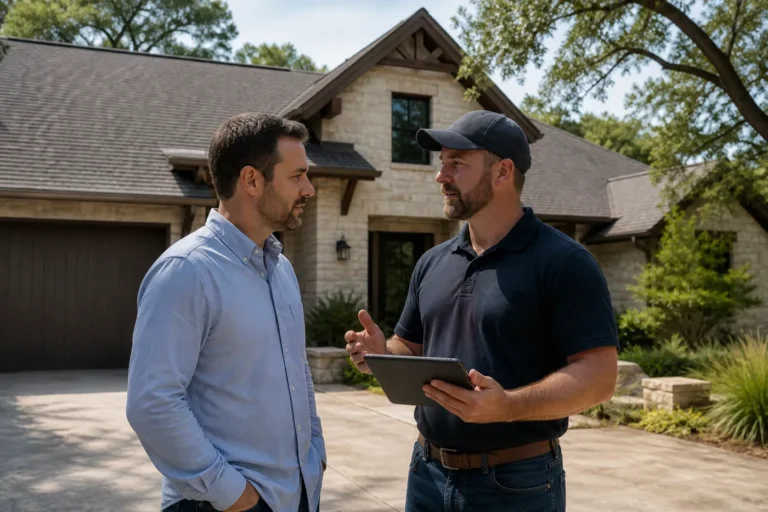
If a door-to-door crew mentions a statewide Top 10 list or pressures you to sign before you review photos, pause. Open the hub for your city, upload the same images to two or three local companies, and compare written line items. Educational guides do not replace slope access—they help you ask sharper questions when the inspector arrives.
Get Free Roofing Quotes
Fast response. No spam. 100% free.